Want WhatsApp Job Updates?
Join the WhatsApp Channel For Updates on the latest Vacancies.
Follow ChannelIf you’re considering a career in truck driving in South Africa or just trying to figure out what licence you need to drive a specific type of truck, you’re not alone. Understanding the different license codes is essential for staying compliant with the law and, more importantly, for landing the right job. In this post, we’ll break down South Africa’s vehicle license codes, especially focusing on Code 8, Code 10, Code 11, and Code 14, and the types of trucks or vehicles each allows you to drive.
🚗 Code 8 (B Licence) – For Light Motor Vehicles
- Vehicles You Can Drive: Passenger cars and light-duty vehicles (up to 3,500 kg GVM).
- Common Uses: Driving your own car or a light-duty work vehicle like a small van or bakkie.
- Not for: Trucks or anything requiring professional driving certification.
🚚 Code 10 (C1 Licence) – For Medium-Sized Trucks
- Vehicles You Can Drive: Vehicles with a GVM (Gross Vehicle Mass) of 3,500kg to 16,000kg.
- Examples: Small delivery trucks, some panel vans, and rigid trucks with two axles.
- Additional Requirements: A PDP (Professional Driving Permit) is required if you’re using the vehicle for commercial purposes.
- Popular Jobs with Code 10:
- Local deliveries
- Municipal driving
- Minibus taxi driver (with necessary endorsements)
🚛 Code 11 (C Licence) – Rarely Issued
- Vehicles You Can Drive: Technically, this licence is for rigid vehicles exceeding 16,000kg GVM but without a trailer.
- Note: This licence code is not commonly issued in South Africa. Most drivers skip this and go straight to Code 14.
🚛💪 Code 14 (EC Licence) – For Heavy Articulated Trucks
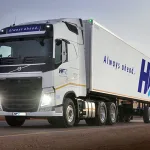
- Vehicles You Can Drive: Any heavy truck over 16,000kg with a trailer over 750kg.
- Examples:
- Superlink trucks
- Horse and trailer (articulated trucks)
- Tankers and flatbeds used in long-haul transport
- Essential for:
- Cross-border and long-distance haulage
- Transporting goods like fuel, heavy equipment, and containers
- Requirements: You must be at least 18 years old, hold a valid learner’s licence, and pass both the K53 driving test and a medical exam if applying for a PDP.
🧾 Do You Need a PDP (Professional Driving Permit)?
If you’re driving for hire or reward (for work), and especially if transporting:
- Passengers
- Dangerous goods (e.g., chemicals, fuel)
- Goods in a vehicle over 3,500 kg
You’ll need a PDP. This is a legal requirement in South Africa, and not having one while driving commercially can land you in serious trouble.
✅ Quick Summary Table
| Licence Code | Vehicle Type | GVM Range | Common Use Case |
|---|---|---|---|
| Code 8 (B) | Light motor vehicles | Up to 3,500kg | Private cars |
| Code 10 (C1) | Medium trucks | 3,500kg – 16,000kg | Local delivery, taxis |
| Code 11 (C) | Heavy rigid trucks | Over 16,000kg | Rarely issued |
| Code 14 (EC) | Articulated trucks + trailers | Over 16,000kg + trailers | Long-haul, cross-border |
🏁 Final Thoughts
If you’re serious about a career in trucking, Code 14 with a PDP is the golden ticket. It opens the door to high-paying, long-distance, and even international jobs. However, if you’re just starting out, Code 10 can get your foot in the door and build up experience.
Remember to always check job requirements carefully—some employers want specific trailer experience (like Superlink or Triaxle) in addition to just having the licence.